Skip to content
Home
Products
1-5KGs
CR-1
CR-2
CR-3
CR-5
10-100KGs
CR-10
CR-30
CR-50
CR-100
200-1000KGs
CR-200
CR-300
CR-500
CR-1000
2000-5000KGs
CR-2000
CR-3000
CR-5000
≧10Tons
10Tons
OTHER FOOD WASTE MACHINES
Food Waste Dryer
Food Waste Shredder
Waste Reduction Machine
Food Composter
About
Project Case
FAQs
Blog
Industry News
Product News
Company News
Contact
Catalogue
Search for:
Home
/
Blog
July 30, 2026
Industry News
Electric Composters – An Eco Win or Unnecessary Appliance?
July 27, 2026
Product News
1000KG Food Waste Composting Facility – Turning Organic Waste into Valuable Resources
July 16, 2026
Product News
【New Design】 10kg Food Waste Dryer: A Smarter Solution for Organic Waste Management
July 15, 2026
Company News
【Customer Feedback】Creeks 1000kgs Food Composting Machine Delivers Outstanding Performance
June 24, 2026
Industry News
Creating Sustainable Landscapes: The Long-Term Benefits of Composting for Large Societies
June 22, 2026
Company News
Creeks Composter Successfully Operating in Kazakhstan: Positive Customer Feedback and Growing Local Recognition
Search for:
Home
Products
1-5KGs
CR-1
CR-2
CR-3
CR-5
10-100KGs
CR-10
CR-30
CR-50
CR-100
200-1000KGs
CR-200
CR-300
CR-500
CR-1000
2000-5000KGs
CR-2000
CR-3000
CR-5000
≧10Tons
10Tons
OTHER FOOD WASTE MACHINES
Food Waste Dryer
Food Waste Shredder
Waste Reduction Machine
Food Composter
About
Project Case
FAQs
Blog
Industry News
Product News
Company News
Contact
Login
Username or email address
*
Password
*
Remember me
Log in
Lost your password?
 CR-1
CR-1 CR-2
CR-2 CR-3
CR-3 CR-5
CR-5 CR-10
CR-10 CR-30
CR-30 CR-50
CR-50 CR-100
 CR-200
 CR-300
 CR-500
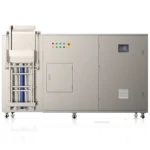 CR-1000
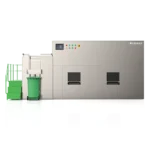 CR-2000
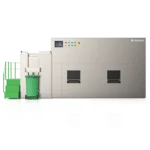 CR-3000
 CR-5000
 10Tons
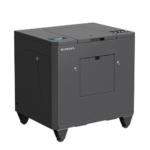 Food Waste Dryer
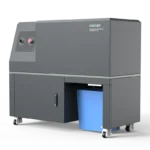 Food Waste Shredder
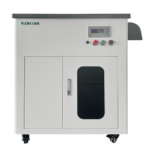 Waste Reduction Machine